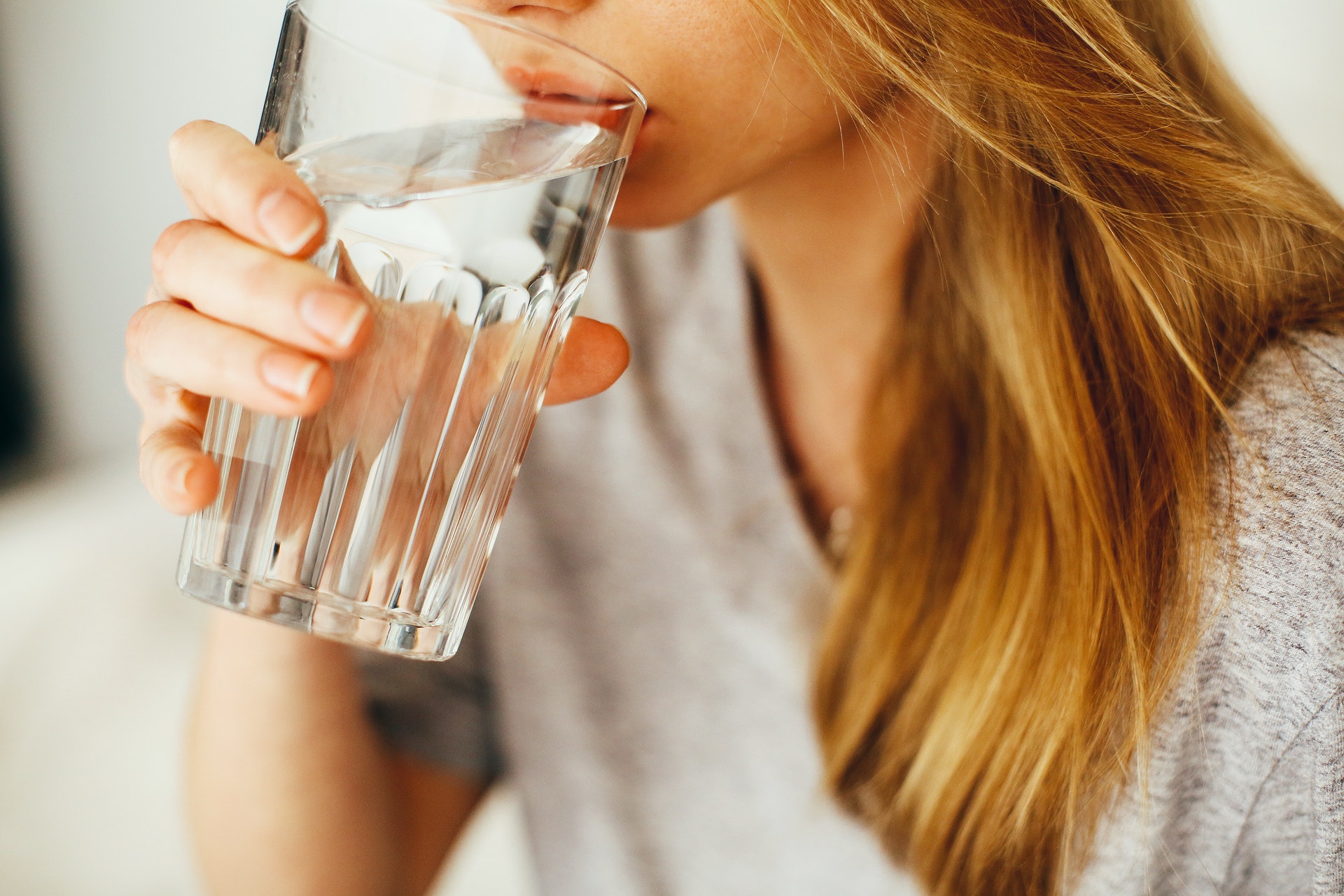
Is tap water bad for you?
The tests and reasons why you can start drinking tap water safely.
For many of us, one of the major obstacles to using tap water for domestic consumption is uncertainty about its quality.
We’ve all asked ourselves the usual questions: “Is it safe to drink? Does it taste any good? What if it contains chlorine?”. City dwellers, in particular, certainly do have these doubts. Not least because, let’s face it, tap water – also known as ‘the mayor’s water’ – doesn’t flow from a spring at an altitude of two thousand metres, but comes from a municipal water supply. And before it reaches our glass, it travels for kilometres underground.
Personally, whenever I can – that is, when I’m sure that the local council where I am guarantees that the tap water is safe to drink – I prefer it to bottled water. Yes, because, by law, local councils must guarantee a supply of safe drinking water to their residents. Of course, in some places – for example, in towns near the coast – I have to admit it has a distinctive taste, but I see it as part of the area’s character.
Tap water is healthier.

We tend to think that plastic bottles have always been around and are an indispensable commodity. In reality, plastic bottles only began to gain popularity in the 1980s. Over the last ten years, however, the market for bottled drinking water has boomed. But the situation varies from country to country. Italy ranks first in Europe for bottled water consumption and third in the world, ahead only of Mexico and Thailand. Despite the abundance of drinking water and high-quality tap water in our country, every Italian drinks 206 litres of bottled water a year. In several European Union countries alone, 46 billion plastic bottles are consumed. But that’s not all. This market and the entire supply chain, in fact, produce 1.2 million tonnes of CO₂ every year. So by drinking tap water, we’re helping the environment, and the benefits will have a knock-on effect on our health.
Finally, tap water in our homes is analysed directly by the local authorities where we live, and the results of these analyses, as mentioned, are easily accessible because they are openly published by the authorities. In contrast, the large companies that produce bottled water are far beyond our direct control, and have a greater incentive not to disclose the results of analyses carried out on their water and drinks.
Drinking water testing.
There are a great many rigorous checks carried out by various authorities on drinking water intended for human consumption. Tap water very often meets even stricter standards than water used in the production of sugary and alcoholic drinks (orangeade, beer, etc.).
For further information, I recommend watching an in-depth investigation by Report, entitled ‘Clear, Fresh and Sweet Waters’, which looks into the quality and origin of drinking water intended for bottling.
With regard to the quality control of water intended for human consumption, reference is made to the World Health Organisation, which sets out very precise parameters from an organoleptic, physical and microbiological point of view.
At a lower level of drinking water control, there is the Local Health Authority, which is responsible for carrying out regular water analyses within its area.
To find out the results of the official tap water analyses, and to learn more about water hardness, minerals and levels of microorganisms present, you can (or at least you should) look for further details on the official website of your local council, where the results of official drinking water analyses are published.
To dispel any doubts, however, there are many ways to find out whether tap water is safe to drink or not. Today we’ll look at some tools that can help us work out whether we can safely drink tap water and avoid buying bottled water. It’s a choice that’s good for your wallet, the environment and your health.

DIY test to check the quality of your tap water
There are various water testing kits available on the market. They are easy to find, very simple to use and inexpensive. Let’s take a step-by-step look at the simplest way to test tap water.
I passaggi per analizzare l’acqua del rubinetto:
Colourimetric strips
This is a water testing kit based on ‘colourimetric strips’ which change colour in the presence of certain substances dissolved in water.
There are kits specialised in microbiological water analysis. These kits detect the presence of microorganisms that are pathogenic to humans, such as Salmonella, Klebsiella, Pseudomonas, Staphylococcus aureus and Escherichia coli.
Other kits, on the other hand, detect the levels of chemical substances. The tap water tester shown in the photograph, for example, measures the pH level, alkalinity, the amount of limescale (indicated as water hardness), the amount of iron, chlorine, and, most importantly, the levels of nitrites and nitrates – substances which, in high concentrations, are carcinogenic.
The process for carrying out this type of water analysis is very simple:
Duration:15 Minutes · Average cost:30 EUR
Step 1
Fill a glass with water.
Step 2
Dip a test strip into the solution.
Step 3
Wait a few seconds and watch to see what colours they turn.
Step 4
Compare the colours of the strips immersed in water with those shown on the reading chart included in the kit.